Crack Sealing Albany: A Comprehensive Overview
Introduction
Welcome to an extensive exploration of a critical process that shapes urban landscapes: crack sealing in Albany, a city known for its rich history and vibrant culture. This article aims to dissect the intricacies of this unique phenomenon, providing valuable insights into its definition, global impact, economic implications, technological innovations, regulatory framework, challenges, and future prospects. By delving into these aspects, we will uncover how crack sealing in Albany not only influences local infrastructure but also resonates globally, highlighting both its achievements and areas for improvement.
Understanding Crack Sealing in Albany
Definition and Core Components
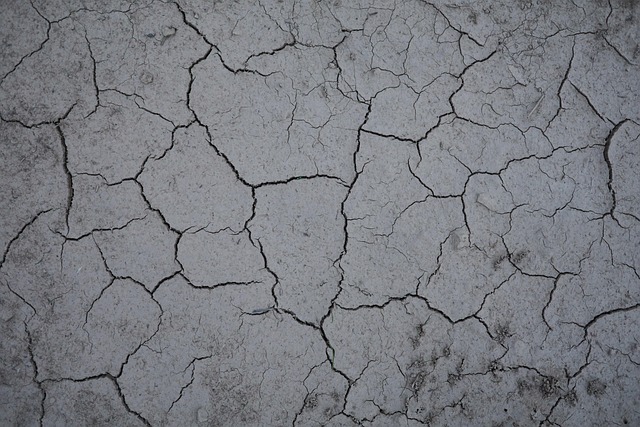
Crack sealing in Albany refers to the process of repairing and maintaining asphalt or concrete surfaces by filling cracks and crevices with a specially formulated sealant. This method is an essential part of urban maintenance, ensuring the longevity of roads, parking lots, and other public spaces. The primary goal is twofold: to prevent further damage caused by water penetration and wear and tear, and to restore the structural integrity of the surface.
The process involves several key components:
- Assessment: Identifying crack patterns, severity, and potential causes.
- Preparation: Cleaning and preparing the cracked surface to ensure optimal adhesion for the sealant.
- Sealing Application: Using a suitable sealant (often a combination of asphalt emulsion or polyurethane) injected or spread over the cracks.
- Curing: Allowing the sealant to set and bond with the existing surface, ensuring longevity.
Historical Context and Significance
The practice of crack sealing has evolved significantly since its early beginnings in the 20th century. Initially, simple methods involved filling cracks with bitumen or concrete. However, as urban infrastructure demands grew, so did the need for more sophisticated solutions. Today, advanced sealants, equipment, and techniques have transformed crack sealing into a highly specialized field, crucial for maintaining efficient transportation networks and public spaces.
In Albany, crack sealing has played a vital role in preserving the city's diverse urban fabric, from historic downtown streets to modern commercial districts. Regular maintenance ensures that these surfaces remain safe, accessible, and aesthetically pleasing, contributing to the overall quality of life for residents and visitors alike.
Global Impact and Trends
International Influence
Crack sealing is a universal challenge shared by cities worldwide, leading to a global market for related products and services. The techniques and technologies employed vary across regions, influenced by local climates, traffic patterns, and available resources. For instance:
- North America: Known for its extensive road networks, the US and Canada have highly developed crack sealing industries, adopting advanced technologies like hot-pour sealants and automated sealing machines.
- Europe: European cities often prioritize environmentally friendly solutions, leading to the adoption of eco-friendly sealants and recycling initiatives for old pavement materials.
- Asia: Rapid urbanization in Asia presents unique challenges, with some cities employing innovative methods such as smart crack detection systems using drones and AI.
Shaping Trends
Several key trends are shaping the global landscape of crack sealing:
- Sustainability Focus: There is a growing emphasis on environmentally conscious practices, leading to the development of eco-friendly sealants, recycling programs, and renewable energy-powered equipment.
- Technology Integration: Advancements in technology, including drones, AI, and IoT sensors, are revolutionizing crack detection, monitoring, and sealing processes, making them faster, more precise, and cost-effective.
- Data-Driven Maintenance: Many cities are adopting data-driven approaches to infrastructure maintenance, utilizing real-time traffic data, weather patterns, and surface condition monitoring to optimize crack sealing schedules.
Economic Considerations
Market Dynamics
The global crack sealing market is dynamic, with various factors influencing its growth and development:
| Factor |
Impact |
| Urbanization |
Rapid urbanization drives the demand for efficient road maintenance, including crack sealing as a preventive measure. |
| Infrastructure Aging |
Older infrastructure requires regular maintenance, creating a steady need for crack sealing services. |
| Government Initiatives |
Many governments allocate funds for urban renewal and infrastructure development, boosting the market. |
| Environmental Concerns |
Increasing awareness of environmental issues leads to investments in eco-friendly products and practices. |
Investment Patterns
Investments in crack sealing often come from multiple sources:
- Government Funding: Local, state, and federal governments allocate budgets for road maintenance, including crack sealing, as part of their transportation infrastructure development plans.
- Private Sector: Construction companies, contractors, and facility management firms invest in crack sealing services to maintain and enhance the value of their assets (e.g., parking lots, industrial sites).
- Public-Private Partnerships (PPPs): Collaborative ventures between governments and private entities provide a sustainable funding model for infrastructure development, including crack sealing projects.
Economic Impact
Economically, crack sealing has far-reaching implications:
- Job Creation: The industry supports various jobs, from skilled road technicians to equipment manufacturers and suppliers.
- Infrastructure Preservation: Regular crack sealing prevents more extensive and costly repairs, reducing long-term maintenance expenses for cities and businesses.
- Tourism and Quality of Life: Well-maintained surfaces enhance the overall aesthetic appeal and safety of urban areas, attracting tourists and boosting local economies.
Technological Advancements
Innovations in Crack Sealing Technology
Technological advancements have revolutionized crack sealing, leading to more efficient, effective, and environmentally friendly practices:
- Smart Sealants: Advanced sealants are designed to self-repair by incorporating microcapsules that release healing agents when cracks form.
- Automated Equipment: Automated sealing machines can cover large areas quickly, reducing labor costs and increasing precision.
- Drones and AI: Drones equipped with high-resolution cameras and AI algorithms can survey large surfaces for cracks, providing detailed data for targeted sealing operations.
- Renewable Energy: Solar-powered equipment reduces the carbon footprint of crack sealing operations, contributing to sustainability goals.
Impact and Future Potential
These technological innovations have had a profound impact:
- Improved Efficiency: Modern technologies enable faster sealing times, reduced labor requirements, and more precise applications.
- Enhanced Durability: Advanced sealants provide longer-lasting protection against water damage and environmental degradation.
- Data-Informed Decisions: Digital tools offer real-time data for better decision-making, predictive maintenance, and optimized resource allocation.
Looking ahead, the future of crack sealing technology holds immense promise:
- IoT Integration: Internet of Things (IoT) sensors can continuously monitor surface conditions, triggering automated sealing processes as needed.
- 3D Printing: This revolutionary technology could enable on-site pavement repairs, offering rapid and customizable solutions.
- Biological Sealants: Research into bio-based sealants derived from natural materials offers potential eco-friendly alternatives.
Policy and Regulation
Key Policies and Frameworks
The regulatory environment surrounding crack sealing is crucial for ensuring safety, environmental protection, and fair business practices:
- Environmental Regulations: Local, state, and national laws often dictate the use of specific sealants, prohibiting hazardous chemicals and promoting eco-friendly alternatives.
- Building Codes: These codes specify minimum standards for road construction and maintenance, including crack sealing requirements.
- Safety Standards: Regulations ensure that crack sealing operations adhere to safety protocols, protecting workers and public safety.
- Licensing and Permitting: Many jurisdictions require contractors engaged in crack sealing to obtain licenses and permits, ensuring they meet specific qualifications and standards.
Influence on Development
Policies and regulations play a pivotal role in the following aspects:
- Standardization: They set consistent criteria for crack sealing practices, ensuring quality and safety across different regions and contractors.
- Sustainability Promotion: Environmental policies encourage the adoption of eco-friendly technologies and materials.
- Consumer Protection: Licensing and permitting protect consumers by vetting contractors and ensuring they provide services within established guidelines.
- Innovation Incentives: Some regulations include incentives for adopting innovative, sustainable technologies, fostering a competitive environment.
Challenges and Criticisms
Overcoming Obstacles
Despite its benefits, crack sealing in Albany (and globally) faces several challenges:
- Budgetary Constraints: Limited municipal budgets often lead to underfunding of road maintenance, including crack sealing, resulting in a backlog of repairs.
- Weather Conditions: Extreme weather events can hinder sealing operations and compromise the effectiveness of sealants.
- Surface Variability: Different surface types (asphalt, concrete) require specific sealing techniques and products, increasing complexity.
- Lack of Public Awareness: Limited public understanding of crack sealing may lead to misperceptions about its value and potential environmental impacts.
Proposed Solutions
Addressing these challenges requires a multi-faceted approach:
- Strategic Budget Allocation: Cities should prioritize road maintenance in their budgets, utilizing data-driven approaches to allocate funds efficiently.
- Weather-Resistant Sealants: Developing and adopting sealants that can withstand extreme conditions would improve long-term effectiveness.
- Standardized Procedures: Establishing standardized sealing methods for various surface types can enhance efficiency and consistency.
- Public Education Campaigns: Raising public awareness about crack sealing, its importance, and environmental benefits can foster support and understanding.
Case Studies: Successful Applications
Exemplary Crack Sealing Projects
Several cities have successfully implemented crack sealing programs, leading to notable outcomes:
Case Study 1: Chicago, USA
Chicago's "Resurfacing Program" is a comprehensive initiative targeting major thoroughfares. By employing advanced technologies and data-driven approaches, the city has achieved significant improvements in road safety and surface longevity. The program includes automated sealing machines, smart sensors for real-time monitoring, and eco-friendly sealants, resulting in reduced traffic disruptions and cost savings.
Case Study 2: Stockholm, Sweden
Stockholm's crack sealing strategy focuses on sustainability and innovation. They use bio-based sealants and implement a recycling program for old pavement materials. This approach has not only reduced their carbon footprint but also positioned the city as a leader in eco-friendly urban infrastructure maintenance.
Case Study 3: Melbourne, Australia
Melbourne's "Smart City" initiative includes a digital crack detection system using drones and AI. This technology enables efficient mapping of cracks, allowing for targeted sealing operations. The project has led to improved surface conditions and reduced maintenance costs.
Future Prospects
Emerging Trends
The future of crack sealing in Albany (and globally) is filled with promising developments:
- Data Analytics Integration: Advanced data analytics will play a pivotal role in predictive maintenance, optimizing sealing schedules based on historical data and weather forecasts.
- Autonomous Vehicles and Robotics: Self-driving vehicles and robotic equipment could revolutionize crack sealing, offering increased precision, safety, and efficiency.
- Smart Cities and IoT: As cities embrace smart city concepts, IoT sensors will continuously monitor road conditions, triggering automated sealing processes when needed.
- Biomimicry in Sealants: Inspired by nature, researchers explore biomimetic sealants that mimic natural healing mechanisms for enhanced durability and self-repairing capabilities.
Growth Areas and Strategies
Identified growth areas include:
- Specialized Services: Developing niche services catering to specific surfaces, climates, or industries (e.g., airport pavement maintenance).
- Sustainable Innovation: Encouraging research into bio-based sealants, recycling initiatives, and renewable energy-powered equipment.
- Public-Private Partnerships: Collaborating with technology providers and innovation hubs to explore cutting-edge solutions.
- Global Knowledge Sharing: Facilitating international exchanges and collaborations to share best practices and technological advancements.
Conclusion: Unlocking the Potential of Crack Sealing
In conclusion, crack sealing in Albany is a multifaceted discipline that demands continuous innovation, adaptation, and collaboration. As cities face mounting challenges related to urban infrastructure maintenance, effective crack sealing becomes even more critical. By embracing technological advancements, implementing sustainable practices, and fostering public-private partnerships, Albany can lead the way in creating resilient, efficient, and environmentally conscious urban landscapes.
FAQ Section
Q: How often should crack sealing be performed?
A: The frequency depends on various factors, including climate, traffic volume, and surface type. As a general rule, annual or bi-annual inspections are recommended to identify and address cracks early.
Q: Are there any environmental concerns associated with traditional crack sealants?
A: Yes, some traditional sealants contain hazardous chemicals that can pollute water sources and contribute to air pollution. This has prompted the development of eco-friendly alternatives.
Q: Can crack sealing truly extend the life of roads and parking lots?
A: Absolutely! Crack sealing is a preventive measure that shields surfaces from further damage, reducing the need for costly repairs and extending their lifespan significantly.
Q: How do drones help in crack sealing operations?
A: Drones equipped with high-resolution cameras capture detailed images of large areas, enabling efficient crack detection and mapping. This data assists in targeted sealing operations, minimizing waste and cost.
Q: What are the benefits of using renewable energy for crack sealing equipment?
A: Utilizing solar or other renewable energy sources reduces the carbon footprint of operations, contributing to sustainability goals and potentially lowering operational costs over time.