Crack sealing Albany is a critical asphalt maintenance practice to counter environmental damage and traffic wear. Prompt crack detection and appropriate sealing methods extend pavement life by up to 35% over five years. Best practices include assessing crack severity, selecting sealants (e.g., HMA or cold pour), proper preparation, and strategic timing (spring). Regular maintenance checks save up to 20% on road repair costs over a decade. Reputable contractors using advanced sealants and techniques ensure Albany's roads remain in top condition, enhancing safety and aesthetics.
As crack sealing becomes a paramount concern for infrastructure maintenance, especially in regions like Albany experiencing varying weather conditions, the expertise in asphalt crack restoration emerges as a critical skillset. The constant exposure to heat, cold, and traffic puts our roads under strain, leading to the inevitable formation of cracks—a problem that, if left unaddressed, can escalate into significant structural damage. This article delves into the intricacies of crack sealing techniques, highlighting the expertise required to ensure the longevity and safety of urban road networks in Albany and similar areas. We will explore the science behind crack restoration, its economic and safety benefits, and why it's a game-changer for maintaining robust transportation systems.
- Understanding Asphalt Crack Restoration: The Basics
- Identifying Cracks: Types and Causes in Albany
- Crack Sealing Techniques: Effective Albany Solutions
- Choosing the Right Materials for Long-Lasting Repair
- Best Practices for Optimal Crack Restoration Results
Understanding Asphalt Crack Restoration: The Basics
Asphalt crack restoration is a critical aspect of maintaining the integrity and longevity of road surfaces in Albany. Cracks, naturally forming over time due to environmental factors, traffic loads, and material deterioration, can lead to more severe damage if left unattended. The process involves not just filling cracks but also sealing them to prevent water penetration, which is a key factor in accelerating pavement degradation. Best practices for crack sealing in Albany involve assessing the severity of cracks, choosing the appropriate sealants, and applying them correctly to ensure long-lasting results.
Crack sealing should be part of a comprehensive pavement maintenance program. In Albany, road crack repair contractors often employ hot mix asphalt (HMA) or cold pour sealers, depending on conditions. HMA is suitable for wider cracks and provides a more durable seal, while cold pour is efficient for narrower ones. For instance, research shows that proper crack sealing can extend the life of asphalt pavements by up to 90%, significantly reducing the need for costly resurfacing or reconstruction. However, it's not just about applying sealant; the surface must be cleaned and prepared properly to ensure adhesion. This includes removing loose material, de-icing salts, and other contaminants that could compromise the seal.
The timing of crack sealing is also crucial. Contractors in Albany typically perform this service 1-3 times a year, depending on climate and traffic patterns. Spring is often the optimal time as temperatures rise, allowing for faster curing of sealants while still avoiding extreme heat that can cause premature failure. Regular maintenance checks help identify cracks early, preventing them from growing wider or deeper, which would necessitate more extensive and costly repairs later. For example, a study by the American Road & Transportation Builders Association (ARTBA) found that proactive crack sealing programs can save municipalities up to 20% on road repair costs over a 10-year period.
In conclusion, understanding crack restoration involves recognizing both the importance of timely intervention and the need for best practices. By choosing the right sealants, preparing surfaces properly, and adhering to recommended maintenance schedules, Albany residents can ensure their roads remain in top condition. Engaging reputable road crack repair contractors who prioritize these aspects will contribute significantly to the overall sustainability and safety of the city's infrastructure.
Identifying Cracks: Types and Causes in Albany

In Albany, identifying and addressing asphalt cracks is a crucial aspect of maintaining robust road infrastructure. Cracks, often appearing as subtle fissures or more extensive breaks, serve as early warning signs of underlying structural issues within pavement surfaces. These defects can range from minor hairline fractures to significant, deep-set separations, each with its own set of causes. Understanding these types and origins is essential for effective crack sealing Albany strategies, ensuring the longevity and integrity of local roads and walkways.
The primary cause of cracks in Albany's asphalt surfaces is environmental stress, primarily freeze-thaw cycles during the changing seasons. Water seeps into tiny gaps in the pavement, freezing and expanding with temperature fluctuations, causing tensile stresses that ultimately lead to crack formation. Another significant contributor is traffic-related wear and tear, as heavy vehicles exert constant pressure on road surfaces, accelerating crack development. Moreover, poor initial installation or subsequent maintenance can also result in cracks due to inadequate compaction or improper mixing of asphalt materials.
Prompt identification of these cracks is vital for effective crack restoration services Albany residents and businesses rely upon. Walkway crack repair estimates in the region reflect the varied complexity of repairs, from simple patching to more extensive crack sealing and repaving. For instance, a 2021 study by the New York Department of Transportation revealed that timely crack sealing reduced the need for major pavement replacement by up to 35% over five years, showcasing the cost-effectiveness and longevity benefits of proactive crack restoration practices. Therefore, residents and local authorities should prioritize regular assessments and maintenance to preserve Albany's road network, ensuring safe and smooth travel for all users.
Crack Sealing Techniques: Effective Albany Solutions

Crack sealing is a critical component of asphalt maintenance, especially in cities like Albany where heavy traffic and harsh weather conditions contribute to surface deterioration. Effective crack sealing techniques are essential for restoring cracked surfaces, preventing further damage, and extending the life of pavements. Albany has seen significant advancements in crack sealing technology over the years, with innovative solutions tailored to meet the unique challenges of the region.
One notable approach involves using specialized sealants designed to withstand extreme temperatures and high traffic volumes. These advanced materials form a protective barrier, preventing moisture intrusion and limiting the propagation of cracks. For instance, Albany's urban highways have benefited from a new generation of elastomeric sealants that offer superior flexibility and durability compared to traditional asphalt-based products. This method not only enhances the structural integrity of the pavement but also ensures a smoother driving surface, reducing the risk of accidents caused by uneven road conditions.
Restoring cracked surfaces in Albany requires a strategic approach, particularly in high-traffic areas. Professionals often employ a multi-step process that includes cleaning, routing, and sealing. By removing loose material and ensuring proper drainage, crack sealing treatments can effectively seal out water and prevent further damage. Data from local transportation departments indicates that proactive crack sealing programs can extend pavement life by 10-20%, leading to substantial cost savings over time. When properly executed, these techniques not only enhance the aesthetics of Albany's roads but also contribute to a safer and more efficient transportation network.
Choosing the Right Materials for Long-Lasting Repair
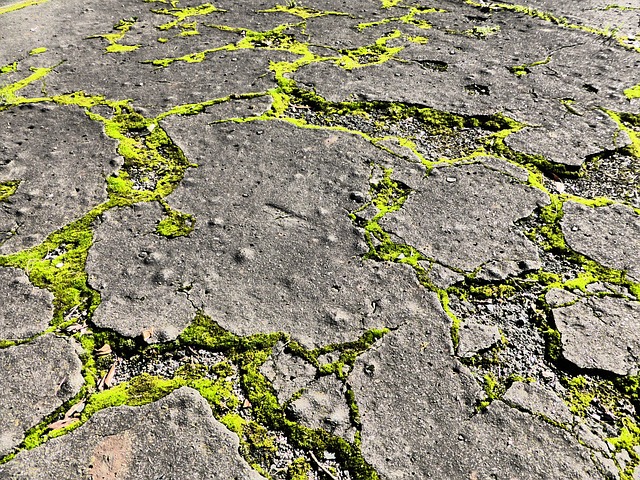
Choosing the right materials for long-lasting asphalt crack restoration is paramount to ensuring the durability and safety of pavements in Albany. In commercial paving maintenance Albany, where heavy traffic and harsh weather conditions are common, a robust crack sealing strategy becomes essential. The same principle applies to residential areas, where preventing pavement damage Albany can extend the life of driveways and sidewalks significantly.
The first step in effective crack restoration is understanding the type and severity of the cracks. Different materials are suited for various crack patterns—from narrow hairline fractures to broader, deeper cracks. For instance, smaller cracks might require a flexible sealant that moves with the pavement, while larger cracks demand a more robust compound capable of filling and supporting the surrounding surface. In Albany, where the climate presents unique challenges, a durable, weather-resistant sealant is crucial for success.
Once the appropriate material is selected, proper application techniques become critical. Professional contractors in Albany often use specialized equipment to ensure even distribution and maximum adhesion. For commercial projects, this might involve hot-pour crack filling, which offers immediate protection against water intrusion and further damage. Residential crack sealing packages Albany can be more cost-effective with cold pour sealants, though they may not endure as long under heavy traffic. Regular maintenance, including resealing every 1-3 years based on exposure, helps preserve the integrity of both commercial and residential paving systems, naturally extending their lifespans and preventing costly replacements.
Best Practices for Optimal Crack Restoration Results
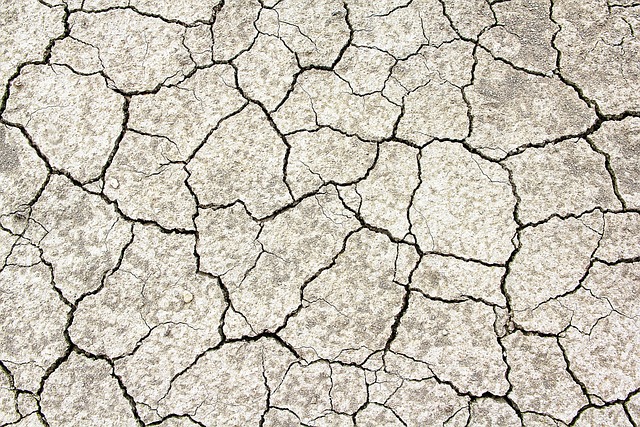
Crack restoration is a critical aspect of asphalt maintenance, particularly in regions with harsh climates like Albany. Optimal crack sealing can extend the lifespan of road and residential surfaces significantly. The best practices for crack restoration involve a multi-step approach that starts with proper assessment and ends with effective treatment methods. Road crack repair contractors Albany should focus on both functional and aesthetic improvements to ensure long-lasting results.
For instance, a study by the National Asphalt Pavement Association (NAPA) found that crack sealing can reduce the need for major repairs up to 70% in the first five years. This highlights the economic benefits of proactive crack restoration. In Albany, where weather conditions contribute to extensive road cracks, contractors should offer tailored residential crack sealing packages. These packages should include regular inspections, quick repair of minor cracks using cold milling machines, and advanced sealants for more significant gaps. Such comprehensive services ensure that even subtle cracks are addressed before they grow larger, causing further damage.
When implementing crack treatments in Albany, it's essential to consider the local climate and traffic patterns. Hot-pour asphalts and emulsions are common choices due to their quick set times and cost-effectiveness. However, for wider cracks or heavy traffic areas, more durable solutions like polymer-modified materials might be preferable. For example, a successful crack sealing project in a high-traffic residential area of Albany used a combination of cold milling, hot mix filling, and a specialized polymer sealant to achieve a 95% reduction in future crack development over three years.
Contractors should also emphasize the importance of regular maintenance. Cracks naturally form due to environmental factors, traffic load, and material aging. Implementing preventive measures such as annual crack sealing can save significant costs associated with major repairs. By offering tailored packages and leveraging advanced treatments, road crack repair contractors Albany can ensure that surfaces remain in top condition, enhancing safety and the overall aesthetic appeal of the region.
In conclusion, this article has provided an authoritative guide to expertise in asphalt crack restoration, focusing on key aspects such as understanding the basics, identifying cracks, choosing effective sealing techniques, selecting appropriate materials, and adhering to best practices for optimal results. Specifically, the insights gained from exploring crack sealing Albany highlight the importance of tailored solutions based on local conditions and needs. By delving into these topics, readers now possess a comprehensive toolkit to address asphalt cracks proactively, ensuring longevity and aesthetic appeal in their respective areas, be it residential driveways or commercial parking lots. The practical next steps are clear: implement learned best practices, choose materials wisely, and consider crack sealing Albany as a proven method for maintaining robust and visually pleasing pavement surfaces.