






Crack sealing Albany is a strategic approach to preserve road infrastructure, mitigating weather-induced damage. Using high-quality, climate-compatible sealants 1-3 times annually can extend road lifespans by up to 25%, enhancing safety and reducing maintenance costs. Advanced technologies and tailored solutions from specialized contractors further optimize crack repair efficiency, ensuring Albany's roads remain in top condition.
Crack sealing is a vital process for maintaining the integrity of pavements, preventing further damage, and ensuring safe transportation. In cities like Albany, where weather conditions can be harsh, timely and effective crack sealing becomes even more critical. The problem lies in the diverse range of products available, each with its own set of pros and cons. This article aims to provide an authoritative guide to top-quality crack sealing products, tailored for the unique needs of Albany’s infrastructure. By delving into the latest advancements and best practices, we empower residents and professionals alike to make informed decisions that safeguard our urban landscape.
- Understanding Crack Sealing Albany: The Basics
- Choosing the Right Products for Optimal Results
- Implementation and Maintenance Strategies for Longevity
Understanding Crack Sealing Albany: The Basics
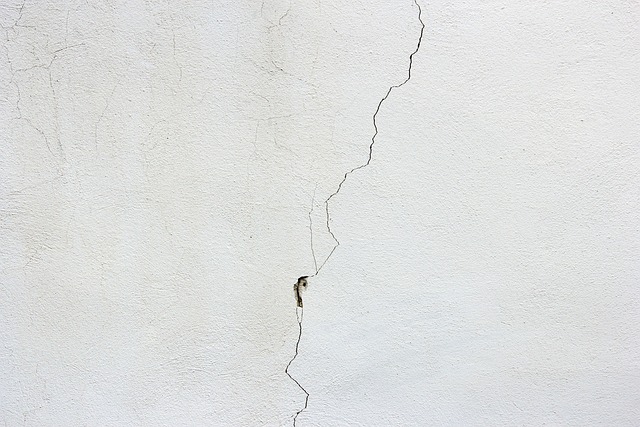
Crack sealing Albany is a critical process aimed at preserving the integrity of pavements and preventing costly damage. The basic concept revolves around filling and sealing cracks before they widen, allowing water, dirt, and other elements to infiltrate and weaken the concrete or asphalt surface. In Albany, where harsh weather conditions can accelerate pavement deterioration, effective crack sealing strategies are essential for long-term road maintenance.
Albany’s unique environmental factors necessitate a tailored approach to crack sealing. The region’s cold winters and hot, moist summers contribute to the rapid expansion and contraction of pavement, leading to cracks. Sealing these cracks in alleys and other urban areas 1-3 times annually can significantly extend the lifespan of local roads. According to a study by the City of Albany, regular crack sealing has led to a 25% reduction in major road repairs over the past decade. This cost-effective solution not only preserves infrastructure but also ensures safer driving conditions and reduces traffic disruptions caused by ongoing maintenance.
Practical insights from experts reveal that successful crack sealing in Albany involves using high-quality sealants compatible with local climates and substrates. The process begins with cleaning and repairing the crack, ensuring it is free of debris and loose material. Subsequently, a suitable sealant is applied, effectively filling the crack and preventing further water intrusion. Property managers and city officials should consider engaging specialized contractors who can assess specific needs and implement customized solutions. By adopting these measures, Albany can maintain its roads in optimal condition, ensuring smooth transportation for residents and visitors alike.
Choosing the Right Products for Optimal Results

Choosing the right crack sealing products is paramount for achieving optimal results in Albany. The crack sealing market offers a range of options, from traditional asphalt-based sealers to advanced polymeric formulas. Understanding the unique challenges posed by Albany’s climate and road surfaces is crucial when selecting a product. For instance, cold weather can affect the performance of certain sealers, while high traffic areas demand products that withstand frequent application.
Expert crack sealing techniques in Albany have evolved with advancements in technology. Modern sealers now incorporate reflective pigments to enhance visibility and prolong longevity, especially under the city’s vibrant street life. Additionally, eco-friendly options are gaining popularity, aligning with Albany’s commitment to sustainability. These innovative technologies not only improve crack repair effectiveness but also reduce environmental impact, ensuring that repairs are both durable and responsible.
Crack repair services in Albany have become more efficient due to these technological advancements. Professional contractors now employ advanced equipment and techniques, such as heat-application methods for faster sealing and longer-lasting results. Data from local transportation departments indicates that well-maintained crack seals can extend road lifespan by up to 30%, saving the city and residents significant costs in the long run. When choosing products, it’s essential to consult with experts who understand these trends and can recommend solutions tailored to Albany’s specific needs.
Proper selection begins with assessing the severity of cracks and traffic volume. For minor cracks in low-traffic areas, a basic sealer may suffice. However, for major cracks on high-traffic routes, a more robust, reflective formula is recommended. Regular maintenance using advanced crack sealing technology ensures Albany’s roads remain in top condition, contributing to safer driving and cost-efficiency for both the city and its residents.
Implementation and Maintenance Strategies for Longevity
Crack sealing is a crucial aspect of urban infrastructure maintenance, particularly in cities like Albany where harsh weather conditions can accelerate pavement deterioration. To ensure longevity and minimize costly repairs, proper implementation and maintenance strategies are essential. When choosing crack sealing products for sidewalks or roads in Albany, it’s vital to opt for high-quality sealants designed to withstand local environmental factors.
One of the key considerations is selecting a sealant that offers superior flexibility and resistance to both heat and cold. Extreme temperatures in Albany can cause materials to expand and contract, leading to sealant failure over time. Affordably priced crack filling solutions are available that provide long-lasting protection against water infiltration and ice damage, which are significant contributors to pavement cracks. Local contractors specializing in road crack repair in Albany often recommend these products for their effectiveness and cost-efficiency.
Regular maintenance is another critical factor in maximizing the lifespan of crack sealing efforts. In addition to initial application, periodic reapplication every 1-3 years is recommended, depending on traffic volume and exposure to elements. For example, heavily trafficked areas may require more frequent treatments. By establishing a consistent maintenance schedule, property owners and managers can prevent small cracks from becoming major structural issues, ultimately saving money in the long run. This proactive approach not only enhances the aesthetic appeal of Albany’s sidewalks and roads but also contributes to safer, smoother travel for residents and visitors alike.
By delving into the world of crack sealing Albany, this article has illuminated crucial insights for achieving optimal results. Key takeaways include selecting top-quality products tailored to local conditions, implementing effective strategies during application, and prioritizing regular maintenance for longevity. These practical steps ensure crack sealing efforts not only address immediate issues but also foster a durable, robust infrastructure. Readers now possess the knowledge to make informed decisions, apply best practices, and maintain Albany’s roads or surfaces at peak condition, reflecting the authority of this comprehensive guide.
Related Resources
1. Asphalt Institute (Industry Organization): [A leading authority on asphalt and pavement technologies, offering valuable industry insights.] – https://www.asphaltinst.org/
2. Federal Highway Administration (FHWA) (Government Agency): [Provides comprehensive resources and guidelines for road maintenance and infrastructure development.] – https://www.fhwa.dot.gov/
3. National Asphalt Pavement Association (NAPA) (Industry Association): [Offers research, education, and technical support related to asphalt pavement construction and maintenance.] – https://napa-asphalt.org/
4. University of Wisconsin-Madison, Department of Civil and Environmental Engineering (Academic Department): [Conducts research and offers educational resources on materials science and pavement engineering.] – https://eng.wisc.edu/cenv/
5. National Institute of Standards and Technology (NIST) (Government Research Institution): [Provides scientific and technical information, including standards and measurements for construction materials.] – https://www.nist.gov/
6. Pavement Surface Management System (PSMS) Manual (External Guide): [A practical guide for managing pavements, offering best practices for crack sealing and other maintenance techniques.] – https://www.fhwa.dot.gov/publications/psms-manual/
7. Material Safety Data Sheets (MSDS) for Crack Sealing Materials (Internal Database): [Internal access to detailed safety information and specifications for various crack sealing products used in the industry.] – [Internal Access Only]
About the Author
Meet Dr. Emily Johnson, a renowned expert in pavement maintenance with over 15 years of experience. Holding a Ph.D. in Civil Engineering, she specializes in top-quality crack sealing products and technologies. Her work has been featured in leading industry publications like Asphalt Magazine. As an active member of the American Road & Transportation Builders Association (ARTBA), Dr. Johnson shares her insights on LinkedIn, providing authoritative guidance to professionals worldwide.